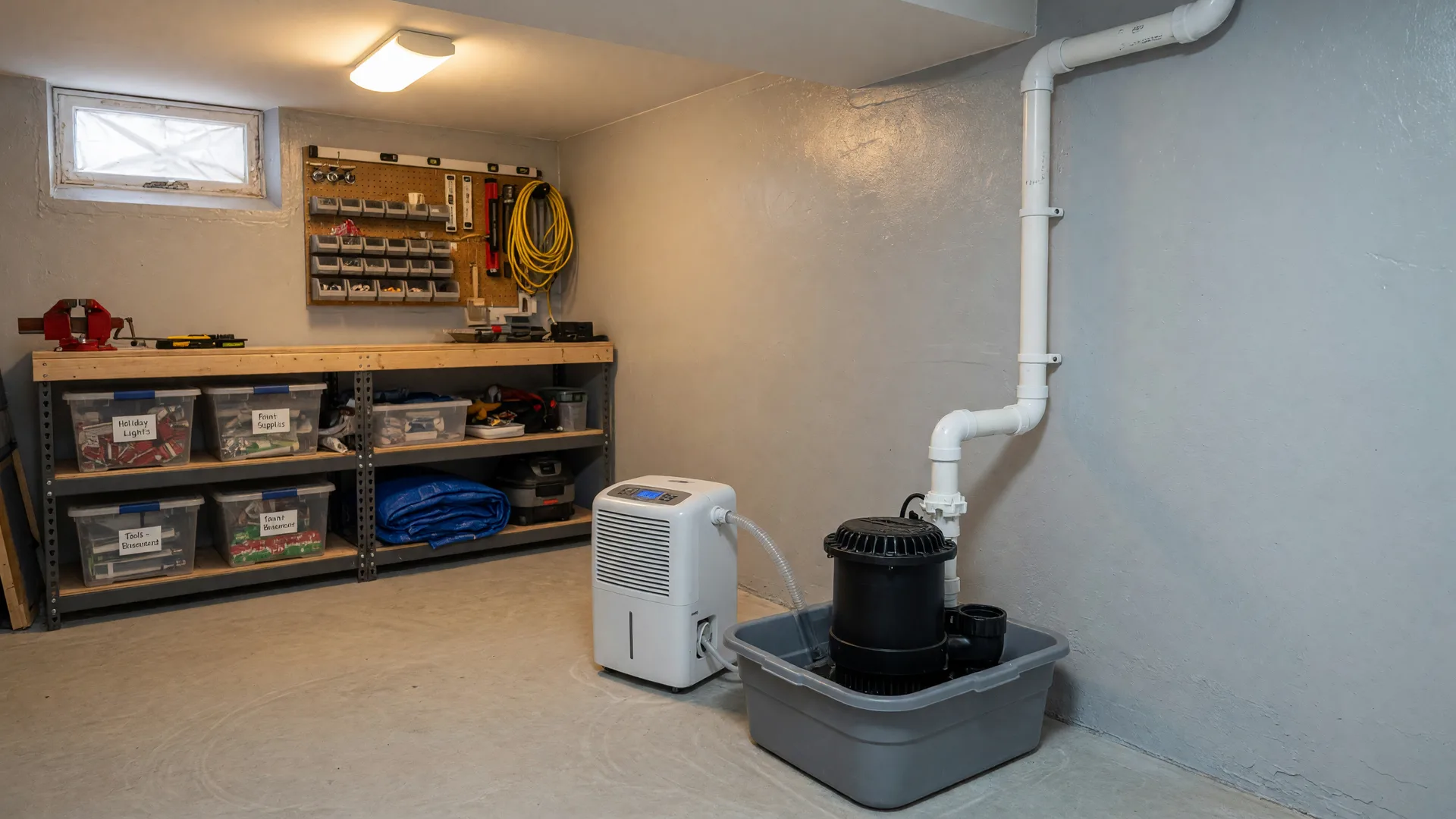
Moorestown is a town of wonderful basements: finished family rooms under historic Colonials near Main Street, workshop space in the mid-century homes around Hartford Road, and storage-friendly lower levels in the newer developments near Lenola. But every basement in the Town of Quality comes with one shared responsibility: keeping water out. Basement moisture is one of the most common issues I see when I walk through Moorestown homes, and it is also one of the most fixable, if you understand what is happening and address it in the right order.
This guide covers the practical side of basement water protection for Moorestown homeowners: why basements get wet here, the warning signs to look for, the exterior fixes to try first, how sump pumps work and what they cost, and the difference between interior drain tile and full exterior waterproofing. Most wet basements are solved with a combination of good drainage, a working sump pump, and honest expectations about what each fix can do.
Why Do Moorestown Basements Get Wet?
The short answer is that water follows gravity, and basements sit at the lowest point of your property. When heavy rain saturates the ground around your foundation, groundwater pushes against the walls and floor. Burlington County's clay-heavy soils drain slowly, so after a big storm the water has nowhere to go but down, and down means against your basement walls.
Moorestown's housing stock makes this more common than in newer towns. The historic homes around Main Street, Chester Avenue, and Maple Avenue often have original stone or block foundations that are a century old, with aging mortar and no modern waterproofing. The post-war and 1960s and 1970s homes scattered through the neighborhoods were built before interior drain tile and sump pumps were standard practice. Even newer construction can see seepage if the grading around the house settles over time.
Location matters within the township. Properties near the Rancocas Creek corridor, the Strawbridge Lake outlet, and the eastern and southern portions of Moorestown near waterways face higher water pressure, and some sit in designated FEMA flood zones. But here is the key distinction: basement seepage from a high water table is not the same thing as a flood zone designation. Most of Moorestown is in moderate or minimal flood risk areas, yet plenty of those homes still deal with damp basements after heavy rain. The Moorestown flood zone guide explains how to check your property's official designation, which matters for insurance, while this guide is about the everyday water that shows up in a basement after a storm.
Stormwater rules add a local twist. Moorestown's leaf collection and storm drain rules exist for a reason: clogged drains and leaf piles in the street back water up during fall rains. Keeping leaves in the park strip and at least 10 feet away from storm drain outlets is not just a township rule, it is one of the cheapest basement protection measures there is, because it keeps neighborhood drainage working.
What Are the First Signs of a Moisture Problem in Your Basement?
Catching a basement moisture problem early is far cheaper than fixing it late. Walk your basement on a rainy day and after a heavy storm, and look for these telltale signs:
A musty smell. That classic basement odor is mold and mildew growing somewhere, usually on a damp wall, floor, or behind stored boxes. If it smells musty, moisture is present even if you cannot see it.
Efflorescence. The white, chalky, powdery deposits on concrete or block walls are dissolved mineral salts left behind when water passes through the masonry and evaporates. Efflorescence is one of the clearest signs that water is migrating through your walls.
Damp patches, peeling paint, and rust. A wall that stays darker than the rest, paint that bubbles or flakes near the floor, and rust on stored tools or the water heater base all point to ongoing dampness.
Cracks in the floor or walls. Hairline floor cracks are common, but cracks that grow, shift, or let water through during rain are worth attention. Horizontal cracks or a wall that bows inward are more serious and should be evaluated by a professional quickly.
Standing water or high humidity. Puddles after a storm mean your drainage or sump system is not keeping up. Humidity above about 60 percent in a basement encourages mold even without visible water.
How Do Gutters, Downspouts, and Grading Protect Your Basement?
Before spending thousands on waterproofing, do the exterior basics. Most basement water problems start with rainwater being dumped right next to the foundation, and fixing that is inexpensive.
Keep gutters clean and downspouts extended. In a leafy town like Moorestown, clogged gutters are the number one cause of preventable basement seepage. Clean gutters after the main leaf drop, and confirm every downspout carries water several feet away from the house. A simple downspout extension is a few dollars at Moorestown True Value Hardware on Mill Street and can do more for a damp basement than many expensive fixes.
Check the grading around your foundation. The ground should slope away from the house for at least the first six feet, so runoff does not pool against the walls. Over the years, soil settles and flower beds can create low spots that funnel water toward the foundation. Re-grade those areas so water runs away, and make sure window wells are clear and covered.
Point your sump discharge somewhere sensible. If you already have a sump pump, check where it discharges. A discharge line that empties next to the foundation is recycling the same water back into your basement. The discharge should exit at least several feet from the house, away from your neighbor's yard and any walkways that could ice over in winter.
These exterior measures are the first chapter of any good seasonal home maintenance routine, and they are especially important in fall, when leaves and heavy rain arrive together.
Do You Need a Sump Pump in Moorestown?
A sump pump is the workhorse of basement water protection. Installed in a pit dug at the lowest point of the basement floor, it collects groundwater that drains toward it and pumps it out and away from the house. If your basement has ever had water on the floor, or if you are finishing a basement, a sump pump should be at the top of the list.
Pedestal vs. submersible. Pedestal pumps sit above the pit with the motor out of the water, which makes them easier to service and generally cheaper. Submersible pumps sit inside the pit, run quieter, and handle higher volumes, which makes them the common choice for finished basements. Both work well when sized and installed correctly.
Add a battery backup. Basement water problems peak during power outages, because storms knock out power and fill the ground at the same time. A battery backup system keeps the pump running when the lights go out, and it is the single upgrade most waterproofing pros recommend. Some homeowners choose a water-powered backup instead, which uses municipal water pressure and never runs out of battery, though it needs a connection that a plumber should install.
What it costs. Based on current New Jersey industry estimates, a complete professional sump pump installation, including the pit, pump, and discharge line, typically runs about $1,000 to $3,500. The pump itself is usually $200 to $800, a battery backup adds roughly $300 to $1,200, and replacing an existing pump where the pit is already in place is usually $700 to $1,200. Get a couple of written quotes, because the price difference between a basic setup and a backup-equipped system is significant, and the backup is worth it.
Test it before the storm, not during. Pour a bucket of water into the pit a few times a year and confirm the pump turns on, drains the pit, and shuts off. Check that the check valve works so water does not flow back into the pit, and clear the discharge line of ice and debris before winter. If a storm is forecast and your pump has not been tested since spring, test it now. The Moorestown emergency services guide has the local contacts you need if water does get in during a bad storm.
What Are the Waterproofing Options for a Wet Moorestown Basement?
If exterior fixes and a sump pump are not enough, or if your basement has chronic seepage through the walls, professional waterproofing systems are the next step. There are two main approaches, and they do different jobs.
Interior drain tile, also called an interior French drain. A contractor cuts a channel around the inside perimeter of the basement floor, lays perforated pipe in gravel, and routes the collected water to a sump pit, where the pump removes it. This is the most common fix for finished and unfinished basements alike, and it handles the water that comes up through the floor joint and down the walls. Current New Jersey estimates for a typical home run about $5,000 to $10,000, or roughly $40 to $100 per linear foot, depending on the size of the basement and the amount of concrete work involved.
Exterior waterproofing. The more thorough approach excavates around the outside of the foundation, cleans and repairs the wall, applies a waterproof membrane or coating, installs exterior drainage, and backfills with stone that drains well. Because it stops water before it reaches the wall, it is the right choice for homes with serious wall seepage, and it is the most expensive option: a full exterior system typically runs about $10,000 to $18,000 in New Jersey, and more for deep or hard-to-reach foundations.
What does not fix a wet basement. A dehumidifier removes humidity from the air and helps with musty smells and condensation, but it cannot stop water coming through the walls or floor. Waterproof paint and coatings on the inside are mostly cosmetic once water is actively migrating through masonry, and they can actually trap moisture and make efflorescence worse. They have their place on damp, not wet, walls, but they are not a substitute for drainage.
Which system fits your home depends on how the water is getting in, the age of the foundation, and whether you plan to finish the space. A good contractor will explain the options honestly rather than selling you the most expensive system by default.
When Should You Call a Professional for Basement Water?
Some basement water is a do-it-yourself project, and some is not. Call a licensed professional when you see any of these:
Structural warning signs. Cracks wider than a quarter-inch, horizontal cracks in block walls, walls that bow or lean inward, or a floor that is heaving. These can indicate foundation movement, not just seepage, and they need a structural evaluation.
Standing water after every storm. If water pools on the floor repeatedly, your drainage or pump system is overwhelmed, and a professional assessment will tell you whether a bigger pump, interior drain tile, or exterior work is the real fix.
Mold growth. Visible mold on walls, floors, or stored items, especially if anyone in the household has allergies or asthma, is worth addressing promptly. Mold remediation and fixing the moisture source usually go together.
How to vet a waterproofing company. Waterproofing is a big-ticket purchase, so treat it like one. Confirm the contractor is licensed and insured in New Jersey, ask for references from recent similar jobs, and get at least three written estimates that describe the same scope of work. Reputable South Jersey companies serving the Moorestown area include Select Basement Waterproofing Solutions in Evesham, Affordable Waterproofing in Delran, CHW Basement Waterproofing in Cherry Hill, and A South Jersey Waterproofing, among others. Beware of anyone who quotes a price without looking at the basement, and never pay the full amount up front. The Moorestown home improvement guide has more detail on permits and vetting contractors for projects like this.
If you are buying a Moorestown home, basement condition should be part of your inspection. The Moorestown home inspection guide explains what inspectors look for in older basements and how to negotiate repairs, including water issues, before you close.
Frequently Asked Questions
Is basement flooding common in Moorestown?
Basement seepage after heavy rain is common in Moorestown, especially in older homes with original foundations and in properties near the Rancocas Creek corridor, the Strawbridge Lake outlet, and low-lying areas. That is different from a FEMA flood zone designation: most of the township is in moderate or minimal flood risk areas, yet many basements still see moisture from a high water table and slow-draining clay soils.
How much does it cost to install a sump pump in New Jersey?
A complete professional sump pump installation typically runs about $1,000 to $3,500 in New Jersey, including the pit, pump, and discharge line. The pump itself is usually $200 to $800, a battery backup adds roughly $300 to $1,200, and replacing an existing pump where the pit is already in place is usually $700 to $1,200.
Does a sump pump add value to a Moorestown home?
A working sump pump with a battery backup is a strong selling point for a Moorestown home because it tells buyers the basement has a water management system in place. It is not usually a line-item value add like a renovated kitchen, but it removes a common buyer objection, which helps you sell faster and at a better price.
Is a dehumidifier enough to fix a wet basement?
A dehumidifier helps with humidity, musty smells, and condensation, but it cannot stop water coming through the walls or floor. If you see efflorescence, damp patches, or standing water, the fix is drainage: gutters and downspouts, grading, a sump pump, and possibly interior drain tile or exterior waterproofing.
Does homeowners insurance cover basement water damage in Moorestown?
Standard homeowners policies generally cover sudden, accidental water damage, like a burst pipe, but they typically exclude gradual seepage, groundwater, and flood damage. If your property is in a FEMA flood zone, flood insurance is a separate policy you should take seriously. The Moorestown flood zone guide explains how to check your designation and what coverage makes sense.
Should I waterproof the basement before selling my Moorestown home?
If your basement has visible water issues, fixing them before listing is usually worth it, because buyers will discover them at inspection and negotiate anyway. A clean, dry basement with a working sump pump and battery backup is a genuine selling point in Moorestown. If you are unsure how a buyer will see your basement, ask your agent for an honest pre-listing assessment.
How do I know if my Moorestown home is in a flood zone?
Check the FEMA flood map for your specific address. Properties near the Rancocas Creek corridor, the Strawbridge Lake outlet, and the eastern and southern portions of the township near waterways are most likely to be in designated flood zones, while much of Moorestown is in moderate or minimal risk areas. The Moorestown flood zone guide walks through how to check your property and what the designation means for insurance.